Table of contents:
- Characteristics of High-CPC Ads
- Common Causes of Low CPC
- Common Misconceptions Explained
- Realistic Ways to Improve CPC
- FAQ
- 1. Is it true that websites with mixed topics get higher CPC?
- 2. Does a website have to be extremely fast to display video ads?
- 3. How long does a new domain take to achieve optimal CPC?
- 4. Do certain ad sizes always guarantee higher CPC?
- 5. What metrics should I monitor besides CPC to evaluate ad performance?
- Conclusion
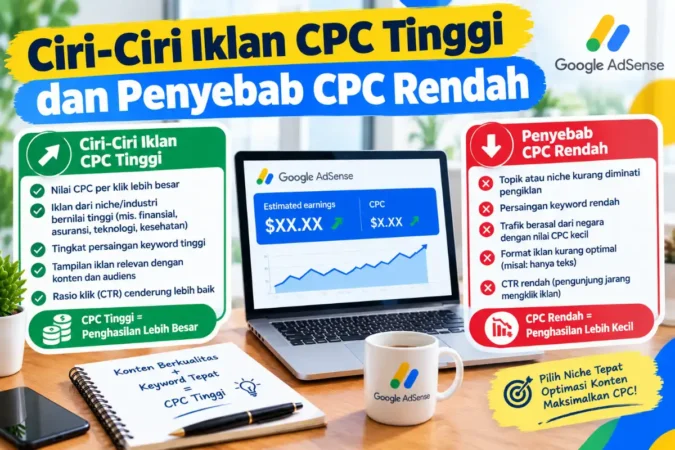
Understanding the characteristics of high-CPC ads can help you understand why AdSense earnings can vary significantly between websites, even when their traffic levels are similar. This article explains the characteristics of high-value ads, common causes of low CPC, and realistic ways to improve overall advertising performance.
Characteristics of High-CPC Ads
Advertisers from Major Brands and Companies
Established companies with larger marketing budgets may be willing to bid more aggressively to secure valuable advertising opportunities.
Interactive or Visually Prominent Formats
Ads using high-quality images, animation, or video may represent branding campaigns with higher commercial value than simple text advertisements, depending on the advertiser and auction.
Appearing in High-Performance Ad Slots
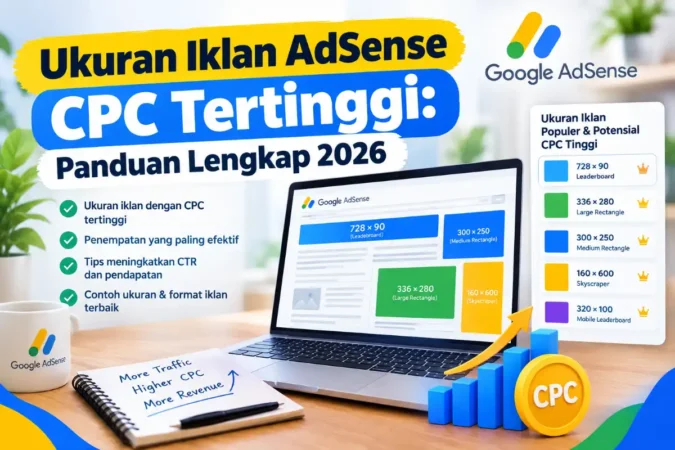
Common ad sizes such as 300×250, 336×280, and 728×90 have broad advertiser support and may attract more demand than less commonly used formats.
High-CPC ads are also often closely related to the topic of your content. For example, investment-related ads may appear alongside finance content, while insurance-related ads may appear on relevant financial or health-related pages. Strong relevance can increase the likelihood that advertisers receive meaningful results from their advertising spend.
Common Causes of Low CPC
| Cause | Explanation |
|---|---|
| Unfocused niche | Content that jumps between unrelated topics can make it harder to establish a clear audience and may result in less consistent ad relevance. |
| Content targeting a limited advertising market | When fewer advertisers target a particular language, location, or audience segment, advertising demand and average CPC may be lower. |
| Limited coverage of commercially valuable topics | Content that does not address topics with strong advertiser demand may generate lower CPC than content targeting commercially competitive subjects. |
| Slow website performance | Visitors may leave before ads have a chance to load or become visible, potentially reducing viewability and overall ad performance. |
| Poor page layout | Unclear or ineffective ad placement can reduce visibility and CTR, which can affect overall advertising performance. |
| New domain | A new website needs time to establish consistent traffic, content quality, and audience signals before its advertising performance can stabilize. |
Common Misconceptions Explained
- A “mixed-topic” website does not automatically receive higher CPC. In many cases, a focused niche and strong topical relevance can make it easier for Google to understand the site’s audience and match relevant advertising opportunities, particularly for topics where advertiser demand is strong.
- Website speed does not automatically determine which ad formats appear. Google does not document a rule stating that video ads only appear on fast websites. Site speed can influence how long visitors remain on a page and whether ads have an opportunity to become visible, which can indirectly affect advertising performance.
Realistic Ways to Improve CPC
- Build content around a focused niche. Consistent topical coverage can help establish a clearer audience and improve the relevance of advertising opportunities.
- Improve website speed. Use tools such as PageSpeed Insights to identify and fix elements that slow down page loading and negatively affect the user experience.
- Place ads strategically. Ads positioned near relevant content with good visibility can improve the opportunity for engagement without compromising the reader experience.
- Be patient with a new domain. Advertising performance can take time to stabilize as a new site builds consistent traffic and content signals. Long-term content quality is more valuable than trying to find shortcuts.
- Monitor Active View metrics. Use available Active View data in your AdSense dashboard to identify which ad units are actually visible to visitors, then focus optimization efforts on areas with weaker visibility.
Want to research high-CPC keywords and countries with strong CPC potential?
Read: High-CPC AdSense Keyword List
Read also: AdSense Ad Sizes with High CPC Potential and Countries with High AdSense CPC to develop a more comprehensive website monetization strategy.
FAQ
1. Is it true that websites with mixed topics get higher CPC?
No. A focused niche can make it easier for Google to understand a site’s audience and content context, potentially resulting in more relevant advertising opportunities.
2. Does a website have to be extremely fast to display video ads?
No. There is no general official rule stating that video ads require an extremely fast website. Website speed can affect how long visitors remain on a page and whether ads have an opportunity to become visible, but it is not a special gateway for a particular ad format.
3. How long does a new domain take to achieve optimal CPC?
There is no fixed timeframe. Advertising performance can take weeks or months to stabilize depending on factors such as traffic quality, content consistency, audience, advertiser demand, and the overall advertising environment.
4. Do certain ad sizes always guarantee higher CPC?
No ad size guarantees a higher CPC. However, widely supported formats such as 300×250 and 336×280 can have broad advertiser demand, which may provide more opportunities than less commonly supported formats.
5. What metrics should I monitor besides CPC to evaluate ad performance?
Active View Viewability is an important metric to monitor because it indicates whether ads actually had an opportunity to be seen by visitors. CTR, RPM, impressions, and other available AdSense metrics should also be considered when evaluating overall performance.
Conclusion
High-CPC ads are generally associated with strong advertiser demand, commercially valuable topics, relevant audiences, and effective advertising opportunities. They are not determined by myths such as “mixed-topic websites always get higher CPC” or “video ads only appear on extremely fast websites.”
Real factors that can influence advertising performance include niche focus, audience relevance, website performance, ad visibility, strategic placement, advertiser demand, and the overall auction environment. Website owners should therefore focus on improving the factors they can control rather than relying on unverified claims about how the AdSense auction works.
By understanding the difference between myths and factors that can genuinely affect advertising performance, you can focus your optimization efforts on sustainable improvements instead of following unsupported shortcuts.
Baca Juga: